 Tipps & Tricks
Removing Perforated Window Film: Professional Guide and Tips for Residue-Free Results
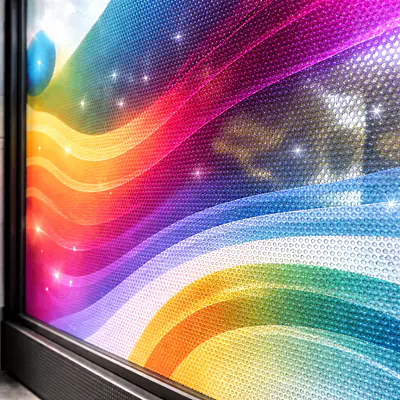
Perforated adhesive films, also known as perforated window films, are a popular solution for shop windows when you want to combine advertising space with privacy. Over time, however, it may become necessary to remove the film—whether for a new design, seasonal campaigns, or a change in store concept. Proper removal requires special care, as both the material and adhesive residues can affect glass surfaces.
Special Features of Perforated Window Film

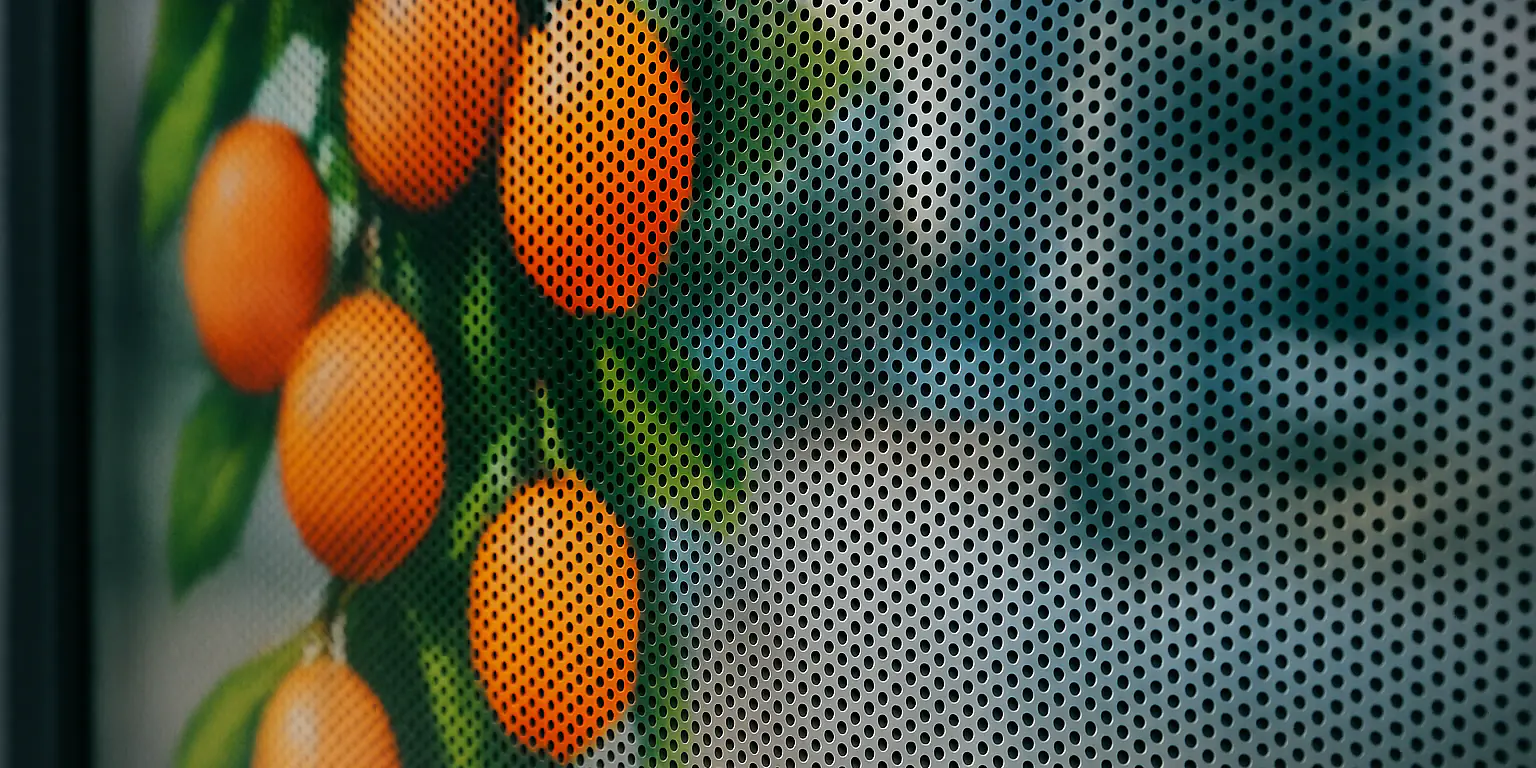
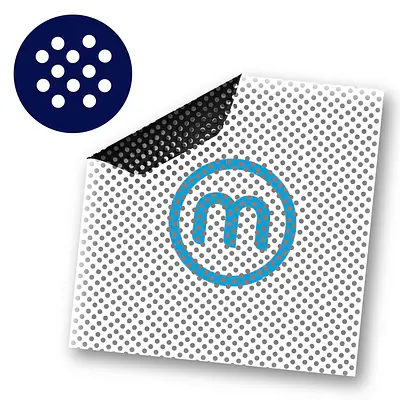
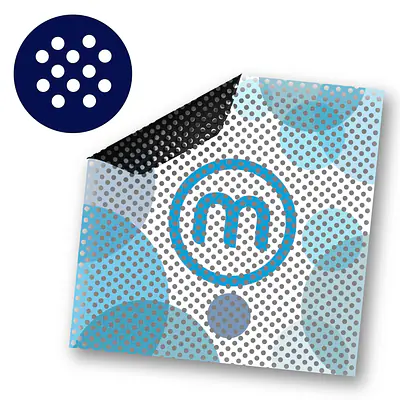
Perforated window film is made from a perforated PVC film with an adhesive layer. The micro-perforation ensures that advertising is visible from the outside while still allowing a view out from the inside. However, the structure of the film means that adhesive residue can settle in the small holes and on the glass surface when removing it. In addition, UV exposure can increase the adhesive strength over time.
Typical Uses for Perforated Window Film
- Shop windows in retail and gastronomy
- Glass surfaces in offices and medical practices
- Vehicles with large window areas
More information about perforated adhesive films with digital printing and their possible applications can be found directly in the shop.
Step-by-Step Guide: Removing Perforated Window Film Without Residue
- Prepare the Surface: The glass surface should be clean and dry. At low temperatures, it is recommended to warm the film with a hairdryer to loosen the adhesive layer.
- Lift the Edge of the Film: Carefully lift a corner of the film using a plastic spatula or a flat blade. Avoid metal tools to prevent scratches.
- Peel Slowly: Peel the film off evenly and slowly. For older films, it can help to work in sections and continue warming the film as you go.
- Remove Adhesive Residue: Carefully wipe away any residue with a suitable adhesive remover or isopropanol. Use a soft cloth and ensure no solvent residue remains on the glass.
- Final Cleaning: Finally, clean the glass surface with glass cleaner to remove streaks and any remaining residue.
Further information on installing and removing films can be found in the FAQ section on Installation & Removal.
What Should You Watch Out for When Cleaning After Removal?
After removing the perforated film, fine adhesive residues or dull spots may be visible on the glass. These can usually be removed with special cleaners for glass and plastic or with a mild solvent. It is important not to use aggressive cleaners or abrasives, as these can damage the glass surface.
Alternatives and New Advertising Surfaces After Removal
After removing perforated window film, you have the opportunity to redesign your shop window. In addition to perforated adhesive films, there are many other solutions available, such as shop window lettering or interior films for glass surfaces. Frosted glass film or custom-cut motifs can also be attractive alternatives. An overview of different types of films and their properties can be found in the article Which film is right for you?.
Decision Criteria for New Film Solutions
- Application Area: Indoor or outdoor use
- Light Transmission and Privacy Level: Depending on the desired effect
- Care and Cleaning: Depending on the material
- Installation Effort: Self-adhesive or static cling
- Customization: Printed designs, logos, or seasonal campaigns
Conclusion: Careful Removal and New Possibilities for Shop Windows
Removing perforated window film from shop windows requires care to avoid damaging glass surfaces and to prevent residue. With the right approach and suitable cleaning agents, removal is usually straightforward. After removal, there are many options for redesigning your shop window—such as with new perforated adhesive films or other shop window films from the myfolie range.
For more inspiration and expert articles on the design and care of shop window films, visit the myfolie Blog.
.webp "Window perforated film with your own design primary image")