
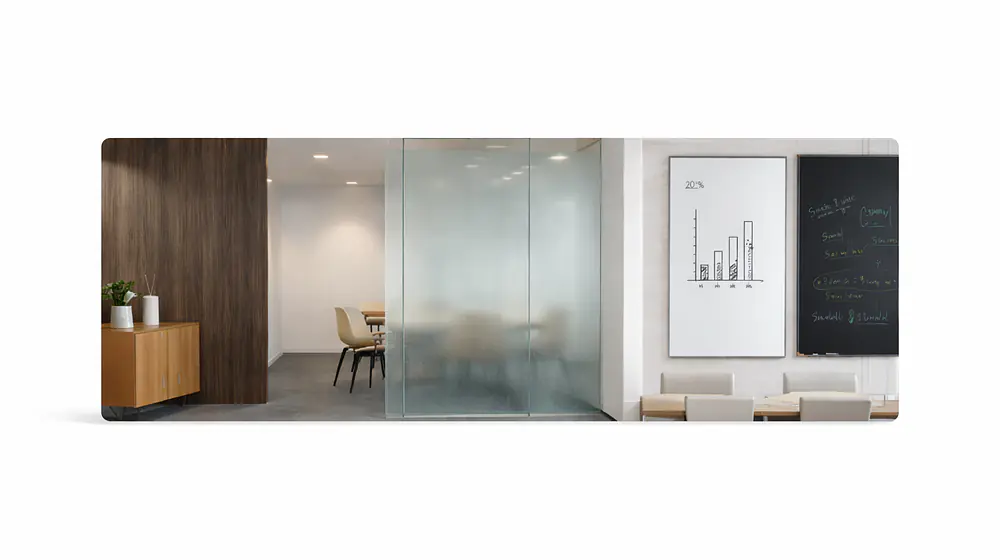
Office & Interior Films: Redesign Walls, Furniture, Glass Surfaces & Meeting Zones
Custom cuts · Easy to care for & durable · For office, shop, hotel & practice








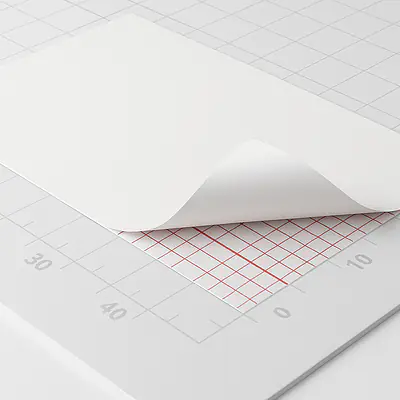
Which Film Is Right for Office & Indoor Use?
For commercial interiors, the right film solution depends mainly on three factors: area of application (wall, furniture, glass surface), desired function (decor, privacy, or writable surface), and everyday wear and tear. The following film types cover typical B2B applications for offices, shopfitting, practices, hospitality, and commercial spaces.
Film Types for Offices & Interiors
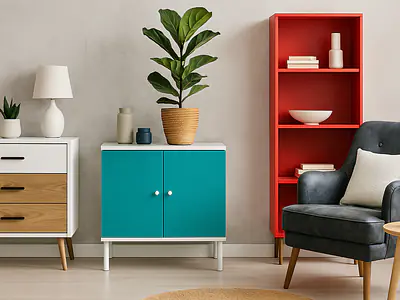
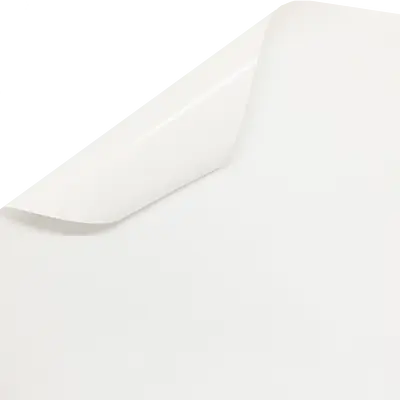
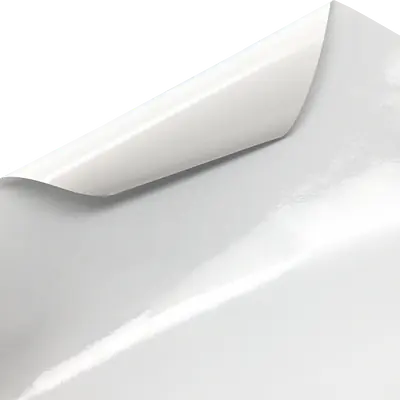
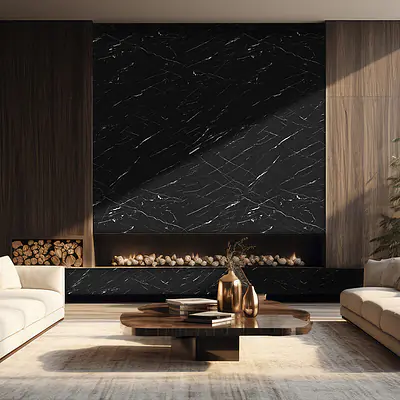
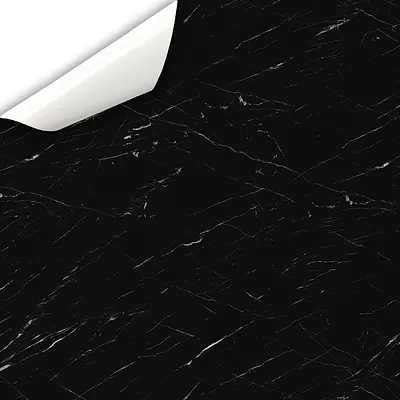
Furniture Film & Textured Film – Redesign Surfaces
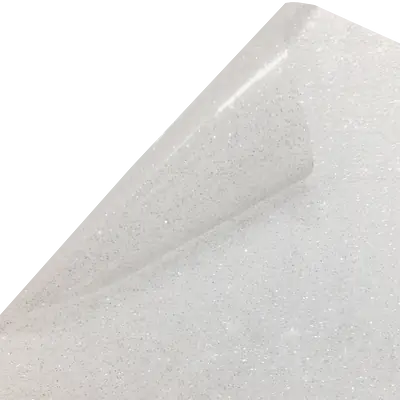
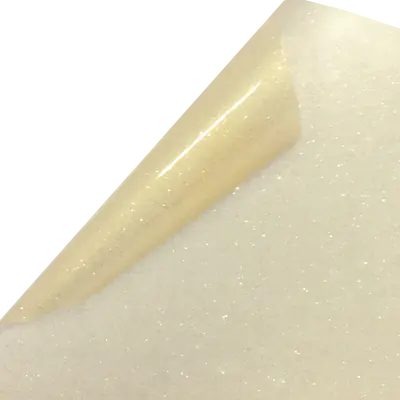
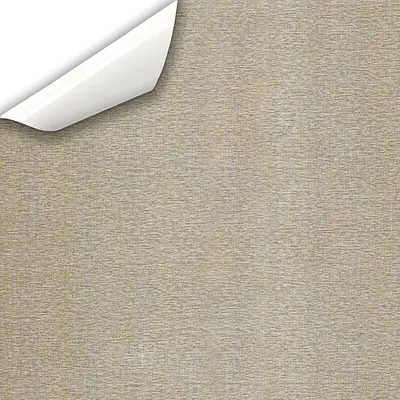
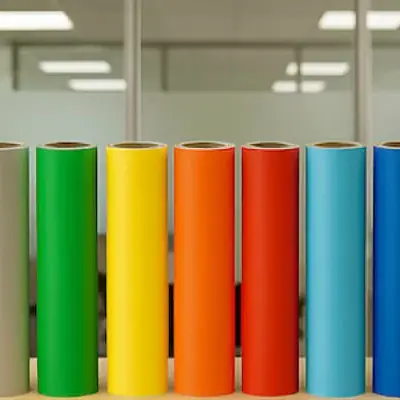
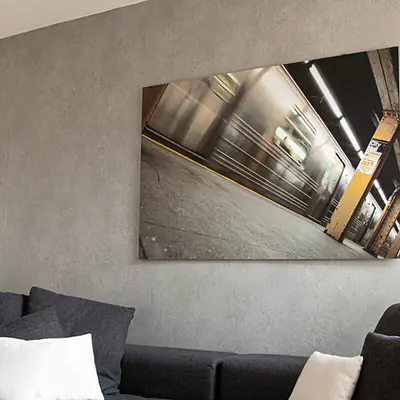
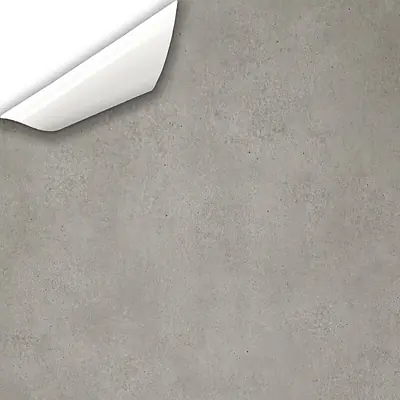
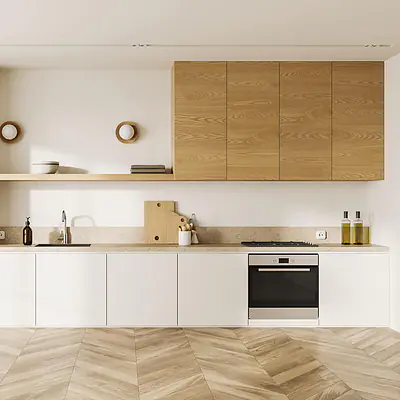
Textured and decorative films allow you to visually upgrade furniture, doors, counters, and wall surfaces without replacement. Whether wood, concrete, stone, or solid color look: ideal for reception areas, conference rooms, or shop spaces when existing surfaces need a modern update.
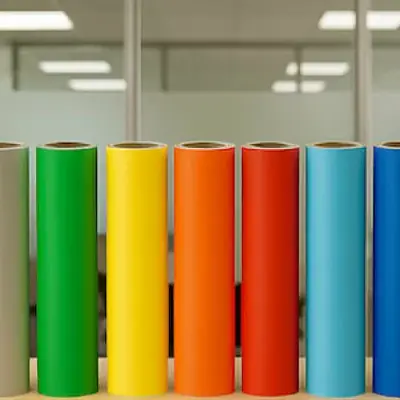
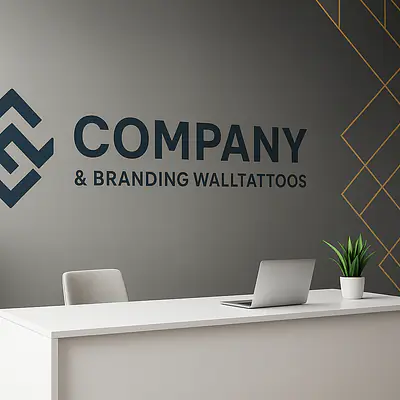
Wall Decals & Plotted Lettering – Interior Branding
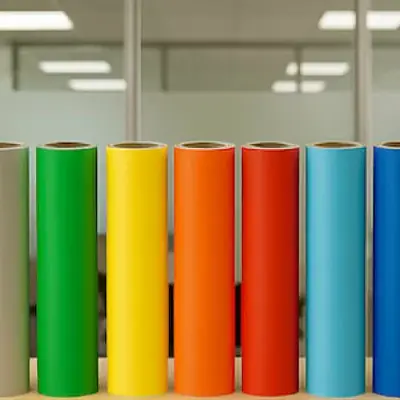
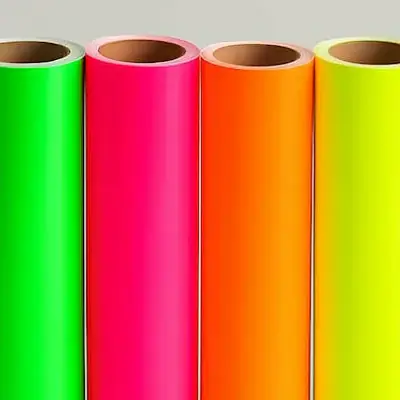
Plotted wall decals and lettering are cut from colored film and applied directly to smooth interior surfaces. Suitable for logos, wayfinding systems, motivational quotes, room labeling, or subtle corporate design elements in offices and commercial spaces.
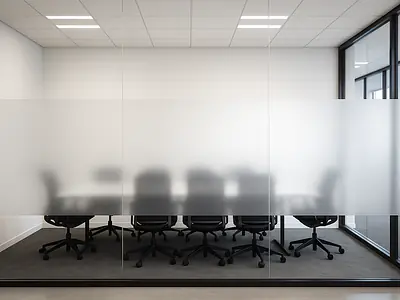
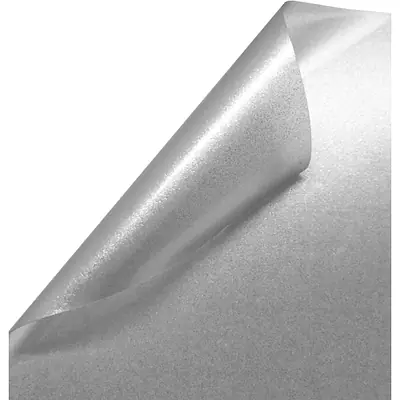
Frosted Glass Film – Privacy for Glass Surfaces
Frosted glass film provides translucent privacy for glass partitions, doors, or windows. Especially relevant for meeting rooms, practices, or discreet work areas. Combinations of privacy film and plotted logos are also common solutions in everyday business.
Whiteboard Film – Writable Surfaces for Meetings
Whiteboard film makes smooth walls or furniture surfaces writable and dry-erasable. Suitable for conference rooms, project areas, or agile workspaces where content needs to be visualized and updated regularly.
Chalkboard Film – Flexible Information Surfaces
Chalkboard film offers a writable chalk surface for changing content. Typical uses include kitchens, break rooms, hospitality, or internal organization areas where information is updated regularly.
Decision Guide by Need
Application, Everyday Suitability, and Cost-Effectiveness
For interiors, clean application, uniform appearance, and long-lasting adhesion are key. Actual durability depends on the substrate, level of use, and proper application. High-traffic areas like doors or counters should be given special consideration when choosing materials.
For optimal results, ensure the surface is smooth, clean, and free of grease before applying. For larger areas, precise cuts and structured planning make implementation easier.
Typical Areas of Use in Companies
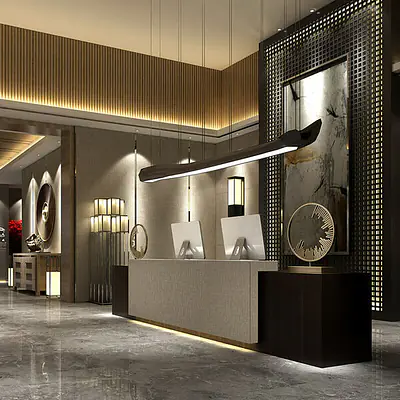
- Reception: Textured film or logo lettering for a professional look
- Meeting Room: Frosted glass film or whiteboard surface
- Hallways & Project Zones: Writable surfaces for team communication
- Furniture & Doors: Visual refresh without replacement
- Hospitality/Shop: Chalkboard film for changing content
Frequently Asked Questions from Everyday Business
What is the fastest solution for a new look?
Decorative and furniture films provide a visible upgrade to surfaces without replacement or long downtime.
Which film is suitable for glass partitions?
Frosted glass film offers translucent privacy and creates a professional, subtle look.
Whiteboard or chalkboard?
Whiteboard film is dry-erasable with markers, chalkboard film is written on with chalk. The choice depends on your intended use.
Practical Tip for a Clear Room Effect
Clear surfaces, clean lines, and strategically placed privacy or lettering elements ensure a professional room effect—without extensive renovation.